If you want a place that feels like a true coastal escape and has the structure to support investment goals, Palmetto Dunes is hard to ignore. Many buyers come here looking for beach time, golf, and a private resort setting, then realize the community also offers several ownership paths that can fit part-time use, full-time living, or short-term rental plans. If you are weighing lifestyle and numbers at the same time, this guide will help you understand what makes Palmetto Dunes stand out and what you need to review before you buy. Let’s dive in.
Why Palmetto Dunes Stands Out
Palmetto Dunes is a private residential resort community on Hilton Head Island that spans 2,000 acres. According to PDPOA, it includes three miles of Atlantic beachfront, an 11-mile lagoon system, 1,241 villas, and 932 homes and lots. That scale gives the community a distinct resort feel while still offering a range of property types.
For many buyers, the appeal starts with flexibility. Palmetto Dunes is not built around just one type of owner. PDPOA reports that 16% of owners live there full time, 27% are part-time owners who do not rent, and 53% are investment or rental property owners.
That mix matters if you are comparing Hilton Head options. It tells you Palmetto Dunes already functions as a hybrid market where personal enjoyment and income potential often go hand in hand.
Escape Appeal in Everyday Ownership
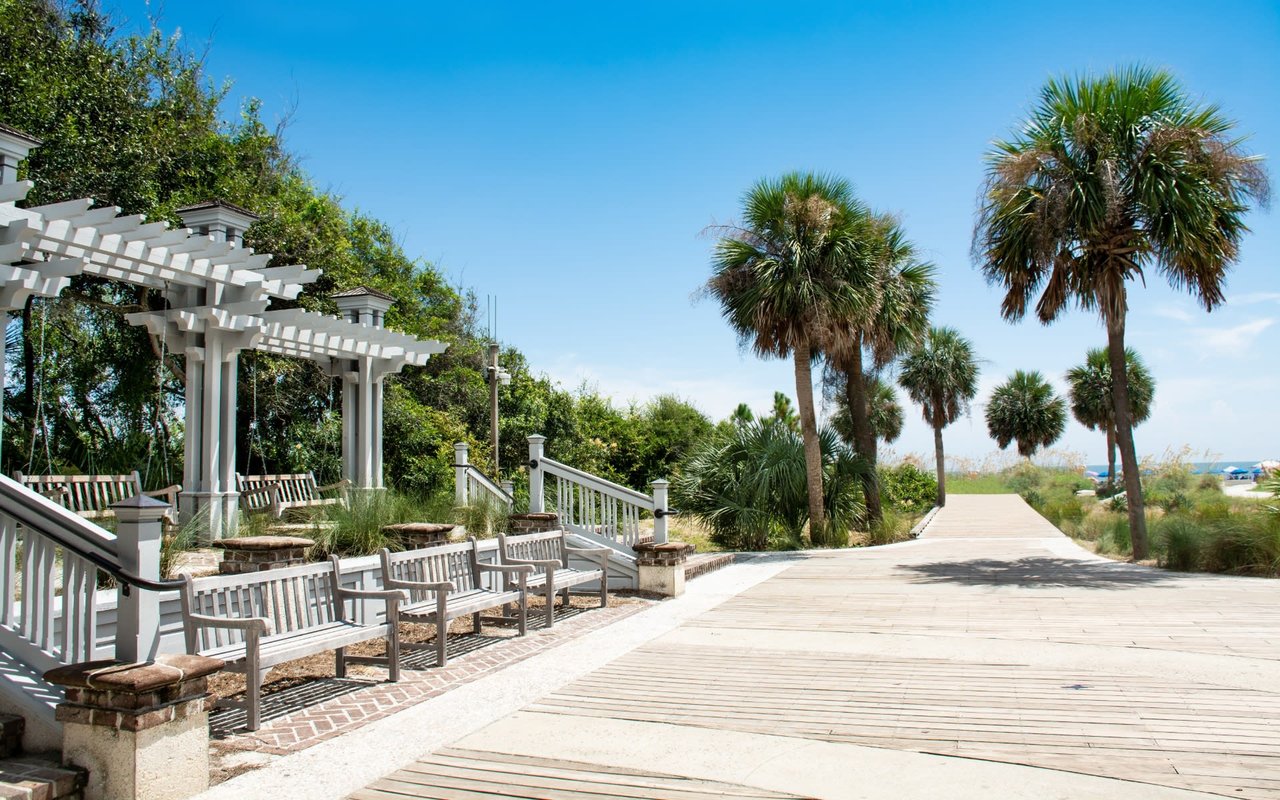
A second home only feels like an escape if getting there is easy and being there feels special. In Palmetto Dunes, beach access is a major part of that experience. PDPOA notes 19 beach access pathways, and the resort says beach access within the resort runs through the Dunes House, the Disney Beach House, and other access paths.
The amenity profile also supports the lifestyle buyers picture when they think about Hilton Head. Palmetto Dunes is known for three championship golf courses: Robert Trent Jones, Arthur Hills, and George Fazio. The community also offers tennis and pickleball facilities, with owner discounts and special rates available through the resort and PDPOA.
Day-to-day convenience adds to the lock-and-leave appeal. The seasonal Dunes Buggy serves Palmetto Dunes, Leamington, and Shelter Cove, with service to the beach, golf, restaurants, shops, and tennis courts. If you want a vacation home that feels easy to use, infrastructure like this can make a real difference.
Why Investors Look at Palmetto Dunes
Palmetto Dunes has the features many vacation-rental buyers want in one place: beach access, resort recognition, recreation, and an established base of part-time and rental ownership. Official community data supports that pattern. In a PDPOA survey, about half of homes and villas were available for short-term rent, and many owners said they had vacationed there before buying.
That history is important because it shows how buyers often move from guest to owner. You are not stepping into an untested concept. You are buying in a community where short-term use and second-home ownership are already common.
The resort-managed rental program also reinforces this investment story. Its offering covers homes, villas, and condos and includes on-site registration, housekeeping, inspections, owner portals, and guest perks. For a buyer who wants a property to serve as both a personal retreat and a vacation product, that structure is a meaningful advantage.
Matching Property Type to Your Goals
One of the smartest ways to shop in Palmetto Dunes is to start with your intended use. The community supports several ownership models, but not every property is the right fit for every plan. Your ideal purchase depends on how often you will use it, whether you want rental income, and how much hands-on oversight you want.
For a Full-Time Residence
If you plan to live in Palmetto Dunes year-round, your focus may be more about layout, privacy, and daily livability. In that case, single-family homes or properties with more space and easier routine access may rise to the top. You will still want to review community rules, assessments, and any approval requirements for future exterior changes.
For a Seasonal Second Home
If your goal is personal use for part of the year, a villa or condo may offer a lower-maintenance option. That can be attractive if you want to spend your time enjoying the beach, golf, and dining rather than managing upkeep. It is still important to understand both community-wide dues and any building or regime-level obligations.
For a Short-Term Rental Investment
If rental income is a major part of your strategy, due diligence becomes even more specific. You will want to confirm how the property has been used, what rental restrictions apply, what fees support rental operations, and how local permits and taxes affect ownership costs. In Palmetto Dunes, these details can vary by property type and regime.
Understanding Dues, Fees, and Governance
A resort community with strong infrastructure usually comes with layered ownership costs. In Palmetto Dunes, owners should budget for the PDPOA annual residential assessment. The board approved a 2026 annual assessment of $2,000, due March 1, 2026, and PDPOA says those funds support common areas such as walkways, bike paths, beachfront, lagoons, bridges, foot paths, and guard gates.
If you are looking at a villa or condo, that is usually not the only fee to review. PDPOA says condo regime companies may be responsible for maintenance, mailboxes, trash, and pools. That means you should verify both the PDPOA assessment and any separate regime dues tied to the specific complex.
There are also transaction and use-related costs to keep in mind. PDPOA’s audited financials describe a community enhancement fee charged when a property is sold. The association also manages transportation and pass fees within the resort, and rental owners help support the Dunes Buggy through a transportation fee.
Rules That Can Affect Ownership
Before you buy, it helps to understand that Palmetto Dunes has multiple layers of oversight. PDPOA governs roads, bridges, common areas, leisure paths, and beach access areas, while Greenwood retains title to commercial amenities such as golf, tennis, and restaurants. This structure is part of what keeps the community running like a resort, but it also means buyers need to review rules carefully.
Exterior changes are a key example. PDPOA says most exterior alterations or improvements require ARB approval, while general maintenance may only require notification. If you are thinking about updates, repairs, or design changes, this should be part of your purchase planning.
Daily-use rules also matter, especially if you expect to host guests or renters. PDPOA enforces rules related to visible vehicle passes or decals, parking limits, noise limits, and restrictions on beach and lagoon use. These rules help shape the ownership experience for both residents and visitors.
What Rental Owners Need to Know
Short-term rental ownership on Hilton Head Island comes with town-level requirements. The Town of Hilton Head Island says rentals under 30 days require a short-term rental permit plus a business license. The town also says the business license applies to all property rentals, with tax based on gross revenue.
Taxes are layered as well. South Carolina says accommodations rented for fewer than 90 consecutive days are subject to the state’s 5% sales tax and 2% accommodations tax. Hilton Head Island also adds a 3% local accommodations and beach preservation charge that is due quarterly.
Property taxes are another major consideration. Beaufort County classifies owner-occupied legal residences at 4%, while other residential and rental property is generally assessed at 6%. For many second-home and investment buyers, that means a property used for vacation use or rental will not qualify for the 4% legal-residence rate unless the owner meets the requirements and applies.
Key Questions to Ask Before You Buy
If you are serious about owning in Palmetto Dunes, a clear due-diligence process can help you avoid surprises. This is especially important when you are balancing lifestyle goals with investment expectations.
Here are some of the most important questions to ask:
- Can this specific property be used the way you intend, whether full-time, seasonal, or short-term rental?
- What are the PDPOA costs, and are there additional regime or sub-association dues?
- Are there any rental restrictions, permit requirements, or operating costs tied to the property?
- How will state, local, and property taxes likely apply based on your intended use?
- Will any planned exterior improvements require ARB approval?
- What community rules will affect your guests, parking, beach access, or day-to-day use?
These questions may sound practical, but they protect both your experience and your investment. In a community like Palmetto Dunes, the best purchase is usually the one that matches your real-life ownership plan.
Why Local Guidance Matters
Palmetto Dunes offers more than one path to ownership, and that is exactly why buyers benefit from experienced local representation. A beachfront villa, a golf-oriented home, and a rental-ready condo may all sit in the same community, but they can carry different costs, rules, and use cases. Knowing how to compare those details is where market knowledge becomes valuable.
At The Agency Hilton Head, the focus is not just on finding a property that looks good online. It is about helping you align the home, the community structure, and your long-term goals. Whether you want a refined personal retreat, a lock-and-leave second home, or a property with strong vacation-use potential, the right strategy starts with the right guidance.
If you are considering buying in Palmetto Dunes, The Agency Hilton Head can help you evaluate the lifestyle fit, ownership costs, and investment considerations with the concierge-level insight this market deserves.
FAQs
What makes Palmetto Dunes different from other Hilton Head communities?
- Palmetto Dunes combines private resort infrastructure, three miles of Atlantic beachfront, an 11-mile lagoon system, golf, racquet amenities, and a high share of part-time and rental ownership, which gives it a strong lifestyle-plus-investment profile.
What fees should buyers expect in Palmetto Dunes?
- Buyers should review the PDPOA annual assessment, any separate condo or regime dues for villas and condos, and possible sale-related costs such as the community enhancement fee.
What rules apply to exterior changes in Palmetto Dunes?
- PDPOA says most exterior alterations or improvements require ARB approval, while general maintenance may require notification, so buyers should confirm requirements before planning changes.
What does Hilton Head require for short-term rentals?
- The Town of Hilton Head Island says rentals under 30 days require a short-term rental permit and a business license, and rental activity is also subject to applicable taxes.
How are property taxes assessed for Palmetto Dunes homes?
- Beaufort County generally assesses owner-occupied legal residences at 4%, while other residential and rental property is generally assessed at 6%, subject to qualification and application requirements for the legal-residence rate.
Is Palmetto Dunes better for a second home or an investment property?
- It can work for either, because official community data shows full-time owners, part-time owners, and investment owners are all common, but the best fit depends on the specific property and your intended use.