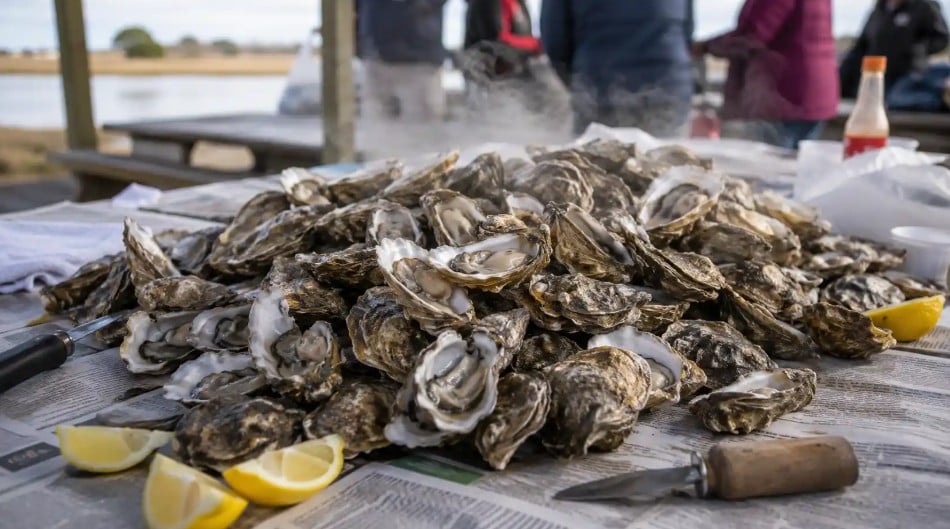
Everyone in the Lowcountry knows the rule: eat oysters in months with an "R". September through April, the water is cool, the oysters are firm, and the roasts are on.
The actual calendar is a little different. South Carolina's oyster season is set by the state, not by spelling, and this year the recreational shellfish season opened on Thursday, October 1, 2026. It runs through May 15, 2027, unless conditions call for a change. That means September, which has its R, is still off the table, and the first half of May, which doesn't, is fair game.
For people who live in Hilton Head, Bluffton, and Beaufort, that October 1 date matters more than any holiday on the fall calendar. It's when local oysters come back to the markets, when restaurant specials change, and when the invitations to backyard oyster roasts start to arrive. Here's how the season works for the people who live here.
Local Oysters Come in Clusters, and That Shapes Everything
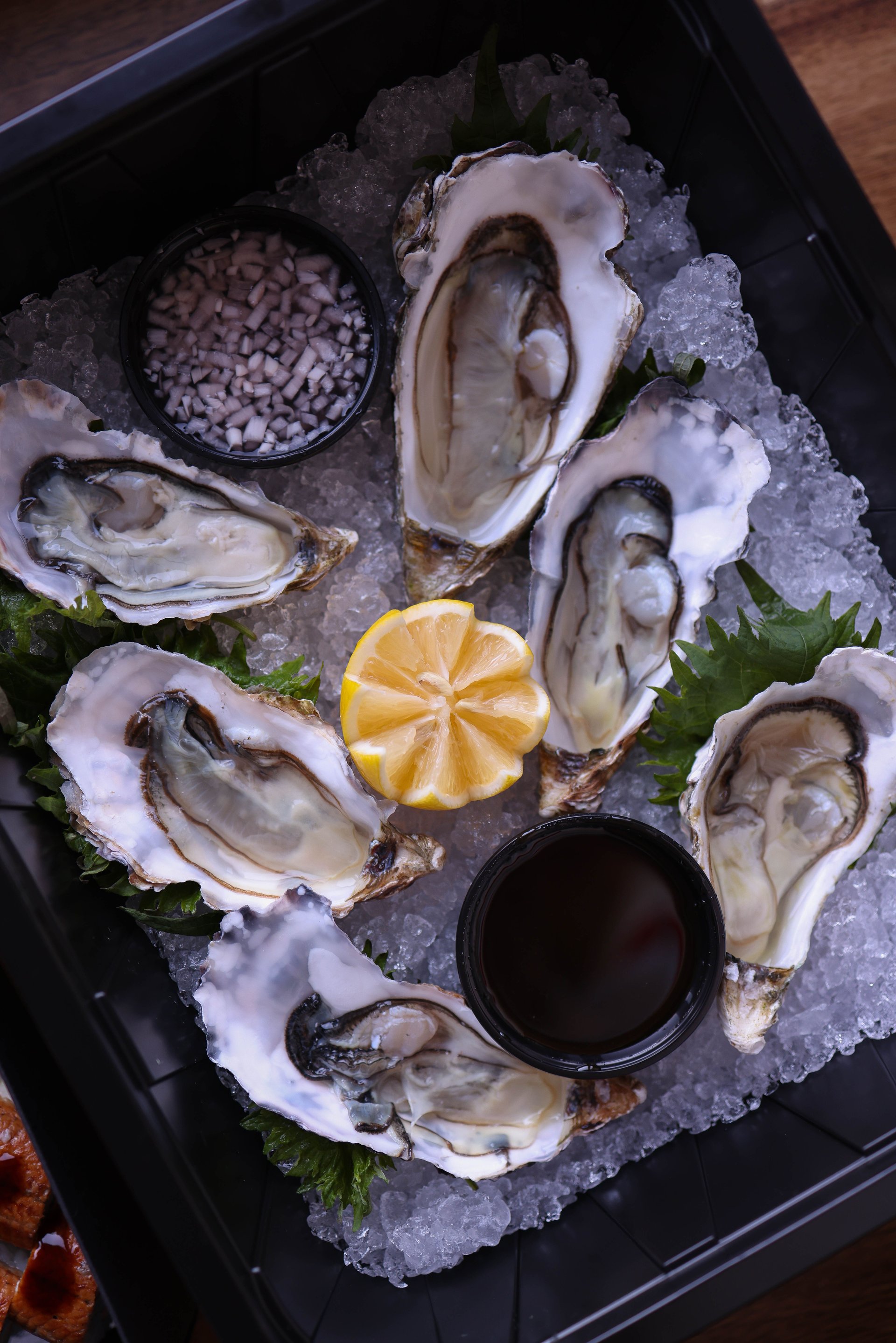
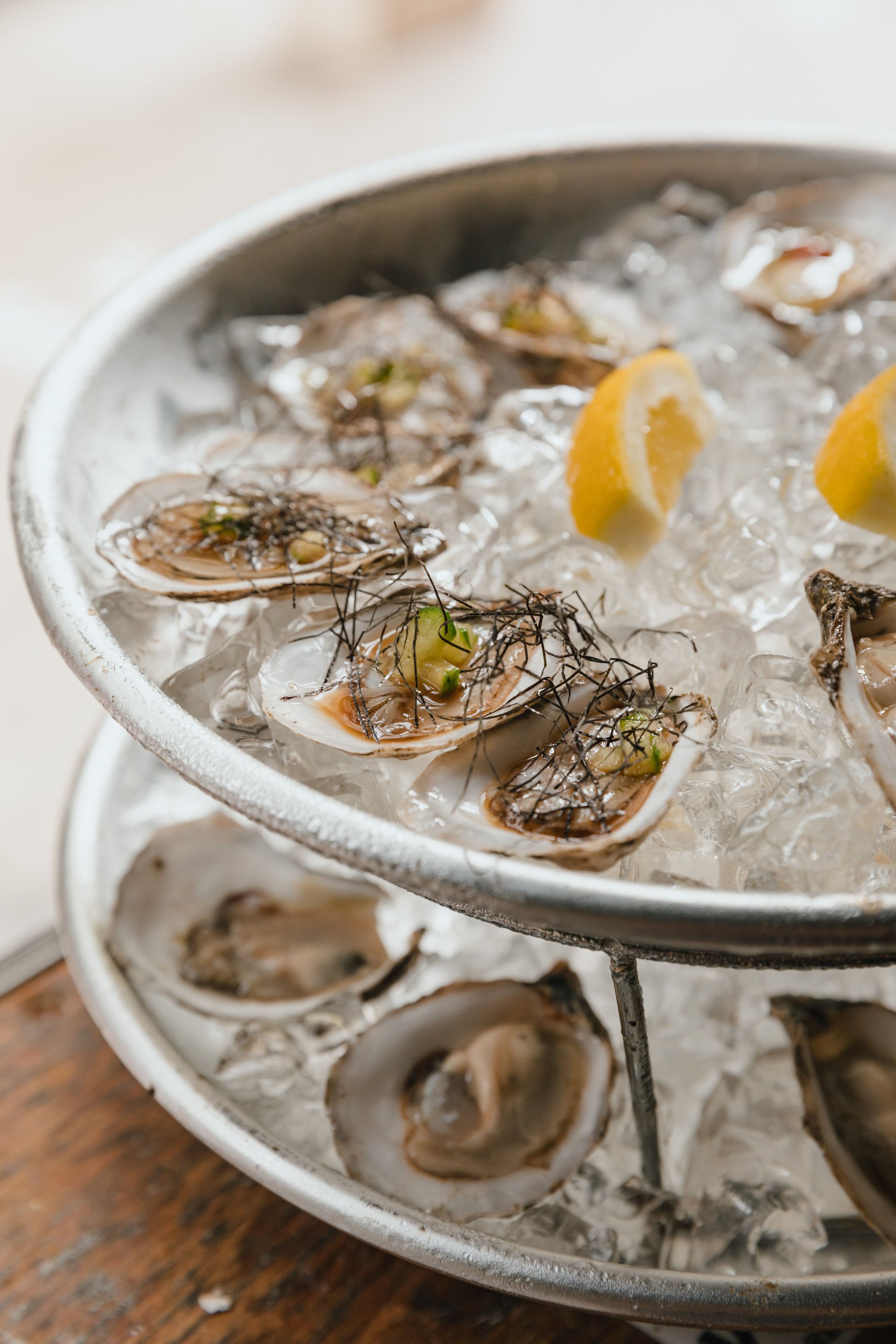
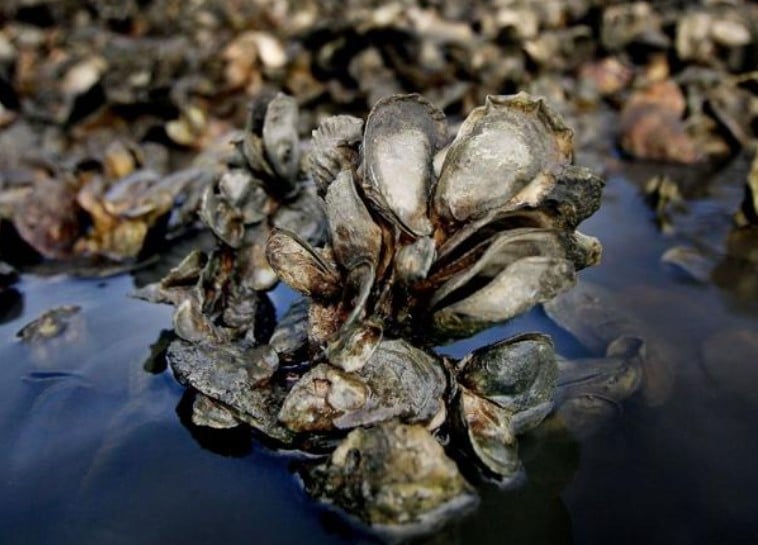
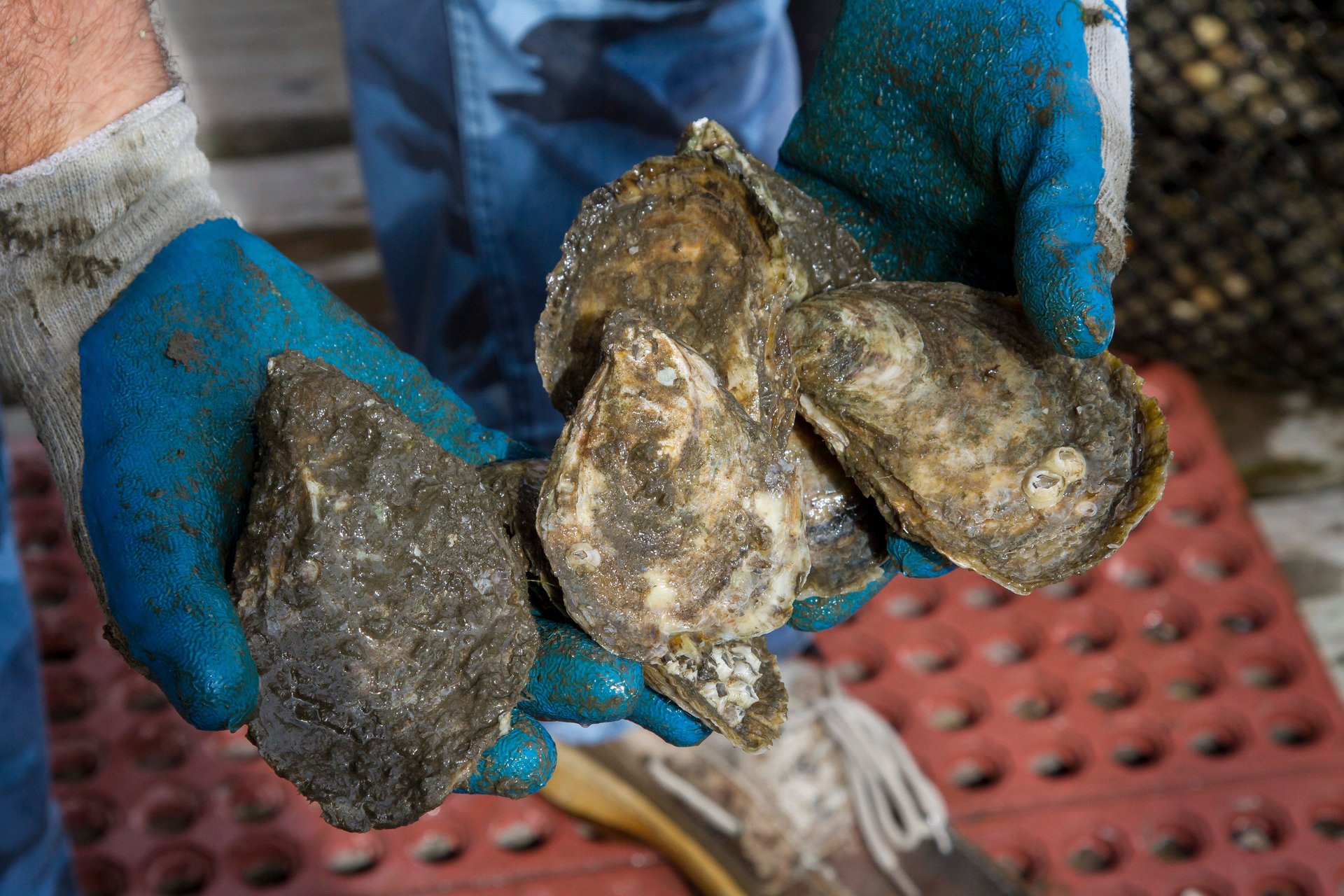
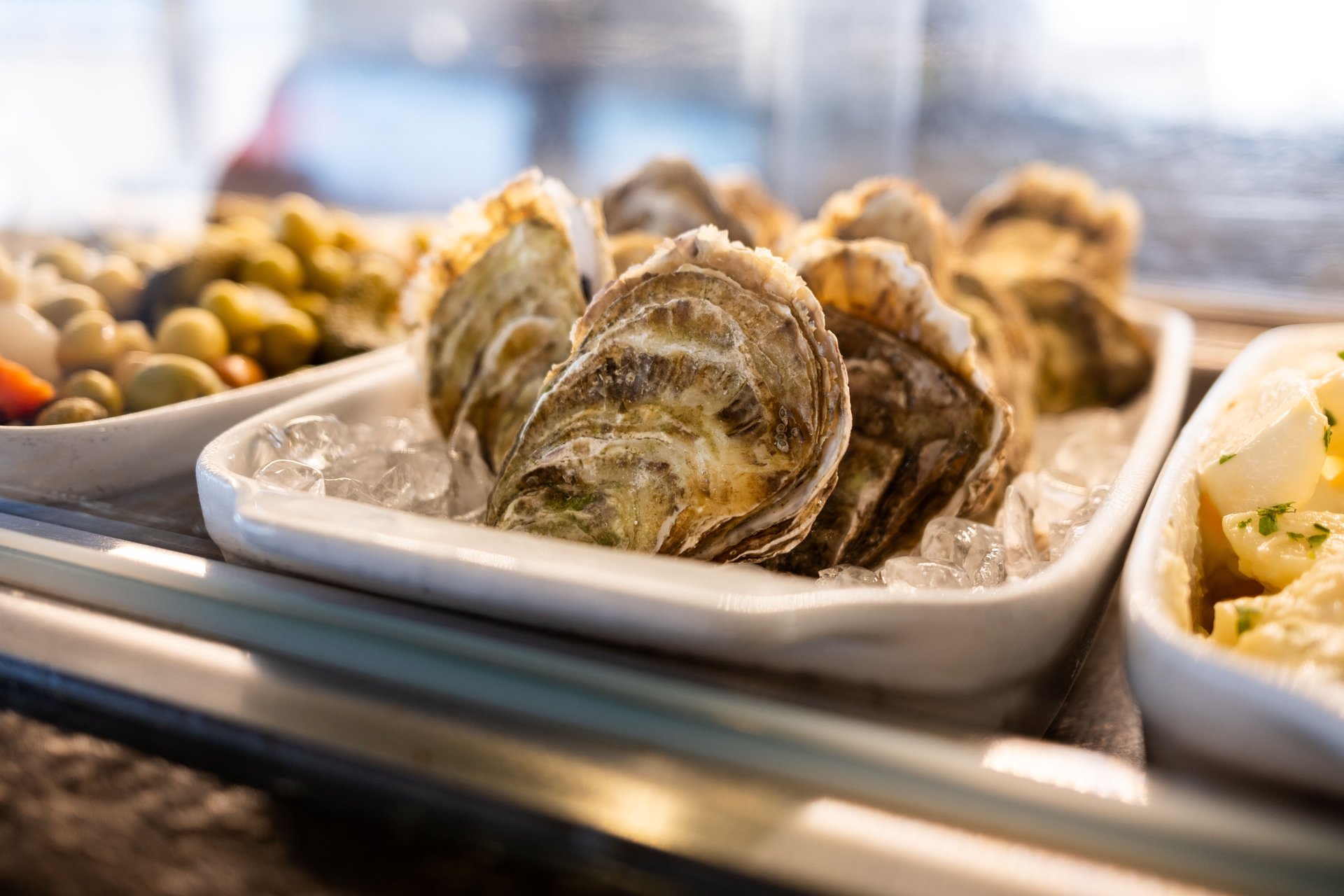
The oysters most people picture, served one at a time on a bed of ice, aren't what grows wild here. Lowcountry oysters live in the zone between high and low tide, and they grow stuck together in clusters. A cluster doesn't sit neatly on the half shell. It's knobby, muddy, and sharp, and it's the reason the local tradition is a roast instead of a raw bar.
The May River in Bluffton is the best-known local source. The Toomer family has been pulling oysters from area waters for more than a century, and their Bluffton Oyster Company at 63 Wharf Street still harvests and shucks every oyster by hand. During the season it employs roughly 15 pickers and up to 12 shuckers a day.
Singles are part of the picture too, thanks to a newer generation of oyster farms. Lady's Island Oyster in Seabrook, north of Beaufort, raises its Single Lady oysters from hatchery to harvest and sells them year-round, and May River Oyster Co. farms singles in Bluffton. If you see a named local oyster on a restaurant's raw bar menu, it likely came from one of these farms. If you're handed a glove and a knife at a party, you're eating wild clusters.
An Oyster Roast Is Mostly Steam, and Mostly Standing
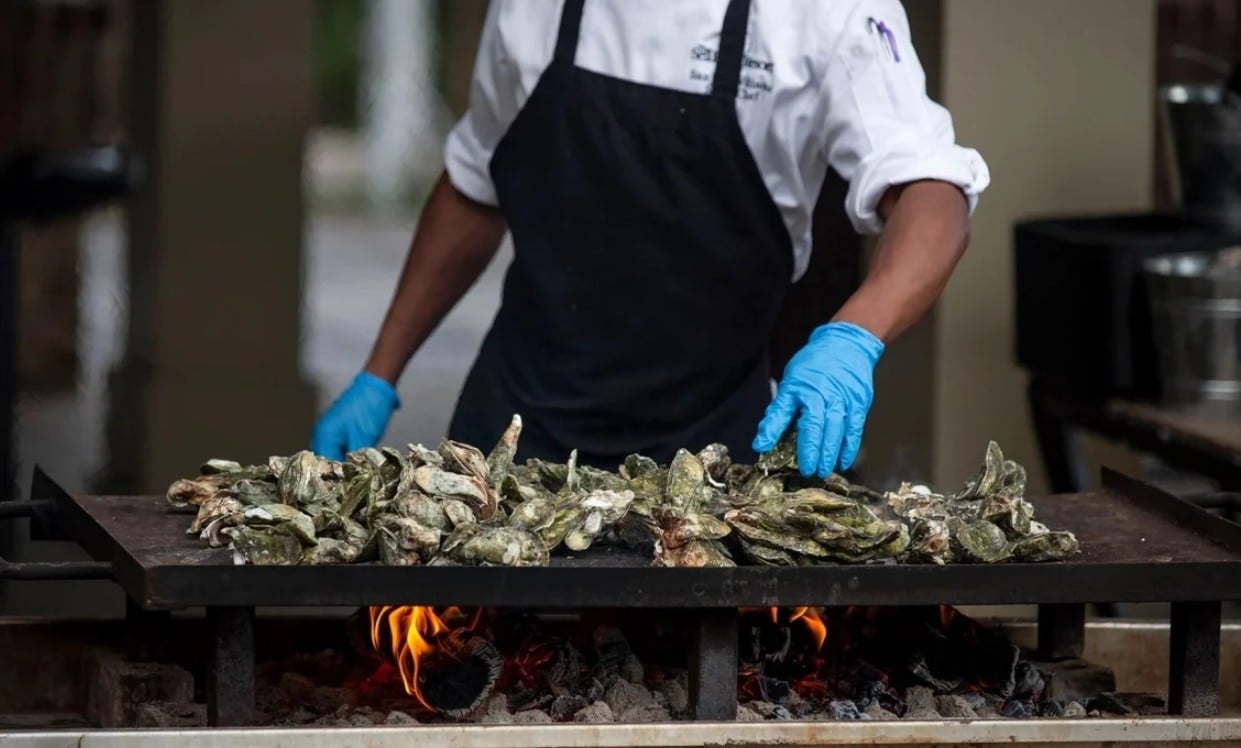
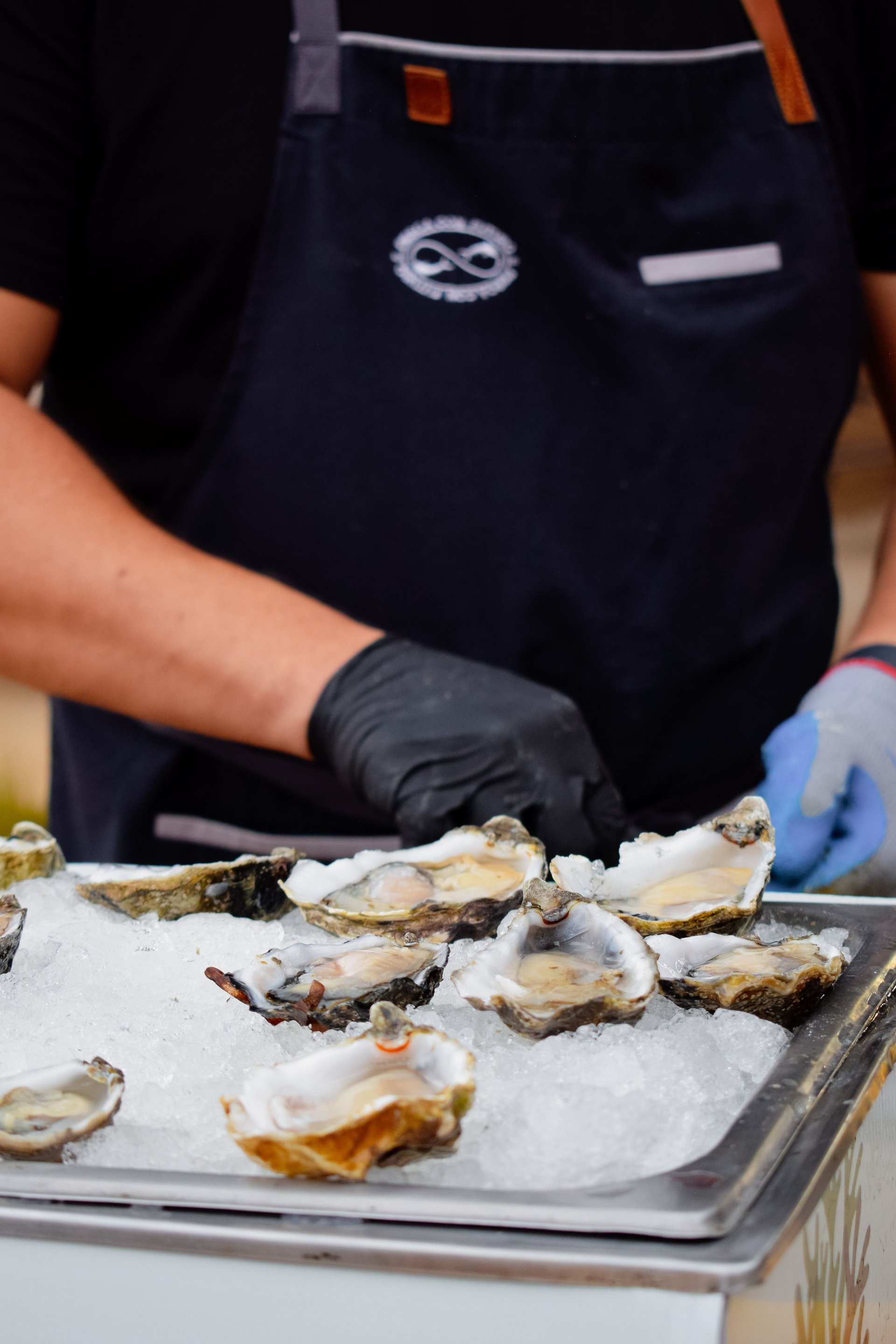
Newcomers tend to expect a seated dinner. A Lowcountry oyster roast is closer to a tailgate. The oysters are piled on a sheet of metal over a fire, or loaded into a big steamer pot, and covered with wet burlap. A few minutes later, once the shells just begin to open, they're shoveled onto a tall table and everyone gathers around to shuck their own.
The setup is simple, and most longtime residents own all of it:
- An oyster knife and a glove or towel for each guest
- A standing-height table, often with a hole in the middle and a trash can underneath for shells
- Cocktail sauce, hot sauce, lemons, and saltines
- A pot of chili or Lowcountry boil for the guests who don't eat oysters
A bushel generally feeds four to six people, depending on what else is on the table. If you'd rather not run the fire yourself, the Bluffton Oyster Company caters roasts and will hold an order for pickup if you call ahead.
One local habit is worth adopting from the start. Don't throw the shells away. The South Carolina Department of Natural Resources collects recycled shell at drop-off sites and uses all of it to rebuild oyster beds along the coast.
Where Locals Buy Them, Town by Town
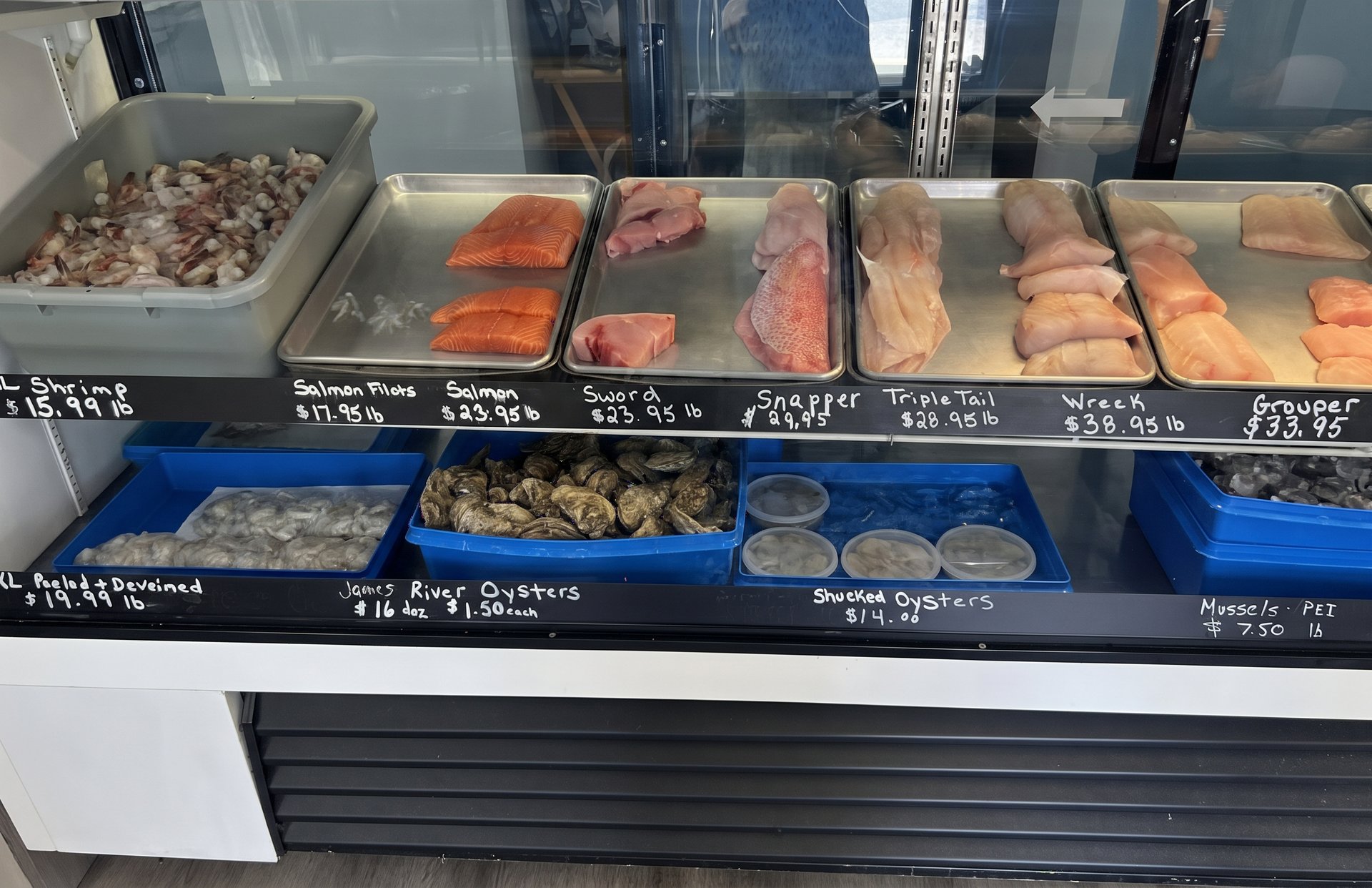
Grocery stores carry oysters, but residents tend to buy from the seafood markets, where you can ask what came in that morning and order by the bushel.
- Bluffton: The Bluffton Oyster Company, at the end of Wharf Street, is open Monday through Saturday and sells May River oysters along with shrimp, crab, and fish. The Toomers also run the Bluffton Family Seafood House if you'd rather have someone else do the cooking.
- Hilton Head Island: Benny Hudson Seafood, Barnacle Bill's Fresh Seafood Market, and South End Seafood are the island's go-to markets for local oysters.
- Beaufort: Sea Eagle Market on Boundary Street carries local oysters, including the Toomers' harvest. For singles, Lady's Island Oyster takes pre-orders by phone or text for pickup at its farm in Seabrook.
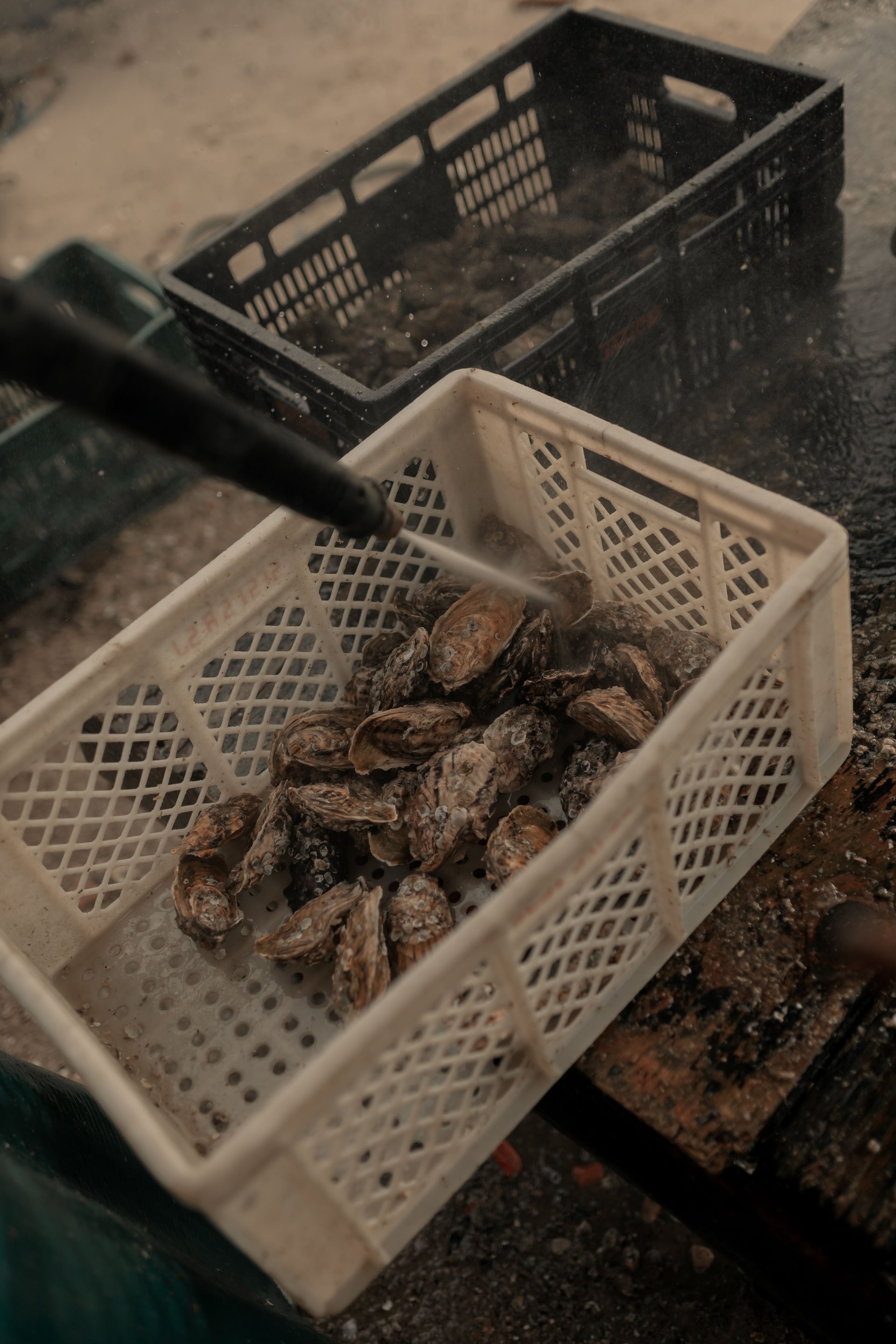
Two tips from people who have done this before. Call a few days ahead if you need more than a bushel, especially around Thanksgiving, Christmas, and New Year's. And ask whether the oysters have been washed. A bushel straight from the river brings a fair amount of pluff mud with it, and you'll want a hose handy either way.
The Season Has Its Own Event Calendar
Backyard roasts are the heart of the season, but each of our three towns also throws a public one. They're spaced out well enough that you can make all of them.
- Historic Bluffton Arts & Seafood Festival, October 9 to 18, 2026. Now in its 22nd year, the festival runs for more than a week across Old Town Bluffton. It ends with a juried art show and street fest on Calhoun Street on October 17 and 18, with more than 100 artists and plenty of local seafood.
- Hilton Head Oyster Festival, November 6 and 7, 2026. Friday night is an all-you-can-eat evening of steamed local oysters, Lowcountry boil, and live music at Shelter Cove Community Park from 5 to 8 p.m., with tickets at $60. Saturday moves to Lowcountry Celebration Park from 11 a.m. to 5 p.m., with $10 admission at the gate.
- Beaufort Oyster Festival, January. Held each year at Henry C. Chambers Waterfront Park in downtown Beaufort, it features 100 percent locally harvested oysters, local chefs, and local beer. Check the festival's site for 2027 dates.
- Hilton Head Seafood Festival, February 22 to 28, 2027. A full week of food events and tours that carries the season toward spring.
Between those dates, watch for smaller roasts. Churches, clubs, restaurants, and nonprofits across Hilton Head, Bluffton, and Beaufort host them all winter, and many double as fundraisers. For anyone new to the area, they're one of the easiest ways to meet the neighbors.
You Can Harvest Your Own, With a License and a Map
One more option surprises a lot of new residents: you're allowed to pick your own. Recreational harvesting is open on public and state shellfish grounds in areas with approved water quality. You need a South Carolina saltwater recreational fishing license, and the limit is two bushels of oysters a day, on no more than two days in any seven-day period.
The open areas change from year to year, so download the current season's maps from the South Carolina Department of Natural Resources before you go. The department also asks harvesters to cull in place, which means knocking off the small oysters and dead shell and leaving them on the bank to keep growing.
What Oyster Season Actually Means for Living Here
For residents, oyster season is less about the food than about the calendar it creates. From October through mid-May, there's a standing reason to gather outside, and the rest of the country is indoors for most of it. The fire is part of the appeal. So is the fact that nobody sits down.
It's also a good measure of how connected you are to a place. Knowing which market to call, owning your own knife, and having a table that only comes out for roasts are small things. They're also the difference between visiting the Lowcountry and living in it.
For more on what's happening this month, see our guide to October events in Hilton Head, Bluffton, and Beaufort.
If this is the season that has you thinking about a home here, The Agency Hilton Head can walk you through Lowcountry communities from the May River to the Beaufort waterfront. Request a Complimentary Market Valuation whenever you're ready to talk specifics.