Thinking about life behind the gates on Dataw Island? You are not alone. The island’s Lowcountry scenery, boating access, and club-centered lifestyle draw many buyers who want an easy, social way to live near Beaufort. In this guide, you will get a balanced look at the benefits, trade-offs, costs, and due diligence steps so you can decide with confidence. Let’s dive in.
What gated living means on Dataw Island
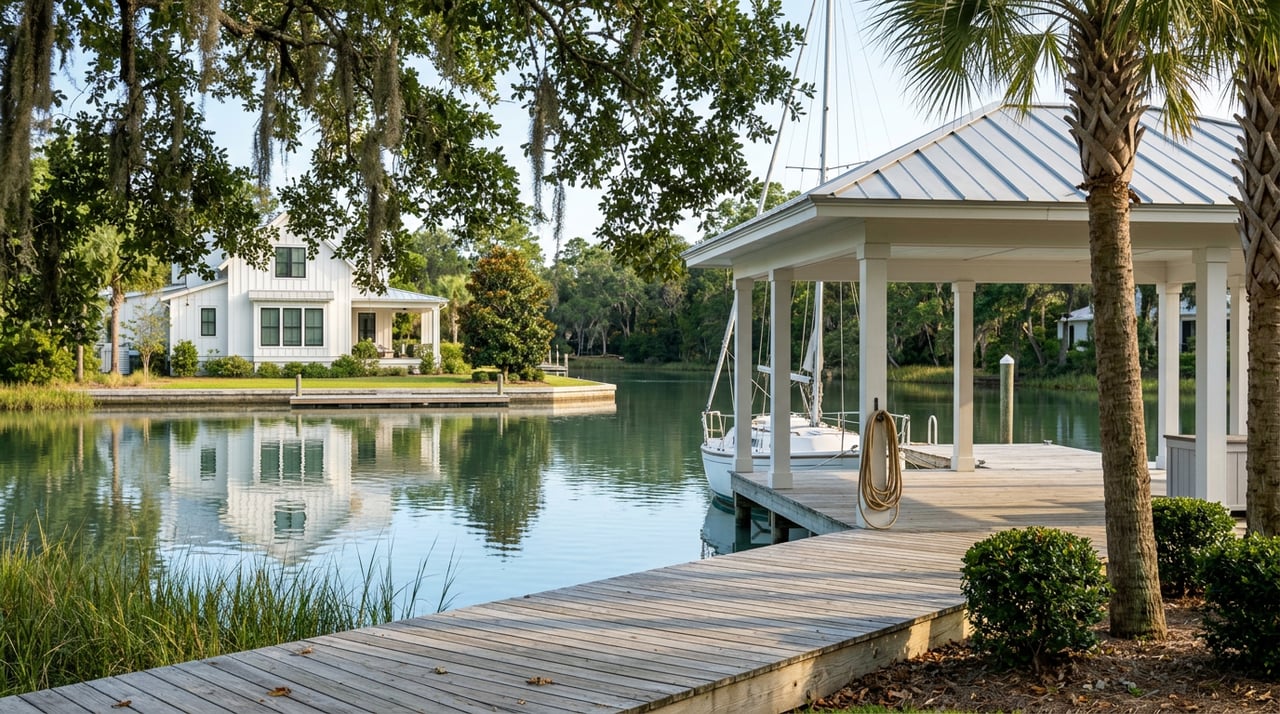
Dataw Island is a private, gated community in Beaufort County near the historic town of Beaufort. You will find neighborhoods of single-family homes, many with marsh or tidal creek views. The community centers around a private club, with golf, marina access, tennis and pickleball, pools, clubhouse dining, and year-round social activities.
As with most gated communities, access is controlled, roads are private, and property appearance is governed by Covenants, Conditions and Restrictions. An architectural review board evaluates exterior changes, landscape plans, additions, and visible equipment. An HOA manages common areas, sets annual assessments, and plans reserves for long-term maintenance. Club memberships are structured by category, and fees may include initiation, annual dues, or capital contributions. You will want to verify which membership tiers are available to buyers and whether any are required for property owners.
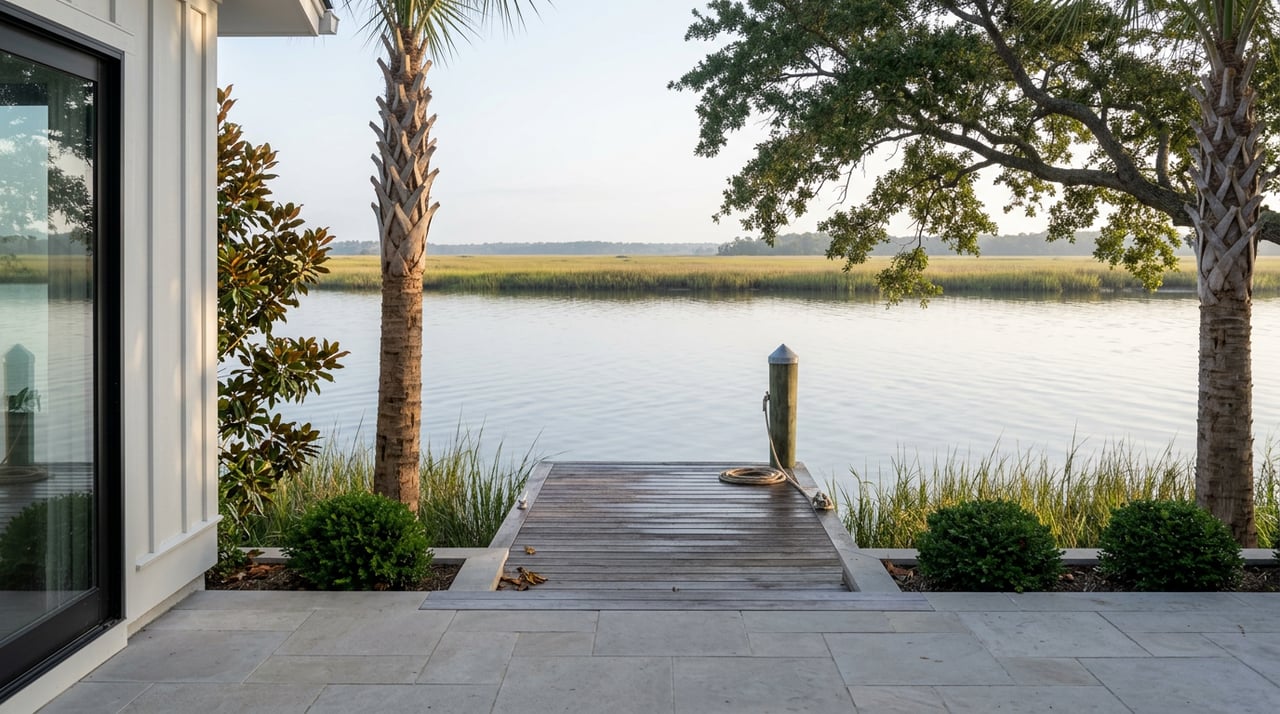
The setting shapes daily life. Salt marshes, tidal creeks, and a coastal climate invite boating and wildlife viewing. That same shoreline also brings coastal regulations, flood-zone considerations, and hurricane readiness into your planning. Services in Beaufort are a short drive, while broader shopping and airports in Hilton Head or Bluffton require a longer trip.
Pros: why Dataw Island appeals
Resort-style amenities
You can enjoy golf, marina and boat access, racket sports, pools, and clubhouse dining without leaving the island. Organized events and clubs create a built-in social calendar that is especially convenient for second-home owners and anyone seeking an active, connected lifestyle.
Security and privacy
A staffed gate and private roads reduce casual traffic. Many owners appreciate the added peace of mind when they travel or split time between homes.
Maintained surroundings
The HOA maintains roads, landscaping, and common facilities. Consistent standards help the community look polished and reduce the tasks on your personal to-do list.
Water access and outdoor life
Waterfront and marsh-adjacent homes, plus proximity to boat slips and tidal creeks, put fishing, paddling, and wildlife viewing at your doorstep. When permitted, private docks and shoreline features add another layer of access and enjoyment.
Value stability potential
Strong architectural controls and proactive maintenance can support property values by keeping neighborhood quality high. Many buyers view gated, amenity-rich communities as resilient during resale, particularly when governance and reserves are in good shape.
Simplified services
Consolidated services such as trash, private road upkeep, and common-area care can simplify ownership, especially for part-time residents.
Cons: risks and trade-offs
Upfront and ongoing costs
Expect costs beyond your mortgage and taxes. Most owners pay HOA assessments. Club participation can come with initiation or capital fees, plus annual dues. Special assessments may arise for major projects. These expenses can be higher than in non-gated neighborhoods.
Rules and reduced autonomy
CC&Rs and architectural guidelines can be strict. Exterior colors, landscaping, fencing, visible equipment, and even rental activity may be regulated. If you plan renovations or an income strategy, review rules before you commit.
Flood, storms, and insurance
This is coastal living. Properties may lie in FEMA flood zones. You will want an elevation certificate, flood insurance estimates, and clarity on separate wind or hurricane coverage. Long-term sea-level rise and nuisance flooding can shape access, costs, and long-range planning.
Resale and rental limits
If a property requires a specific club membership category or restricts rentals, your buyer pool may narrow. Investors should verify short-term rental rules and demand history before counting on income.
Access and convenience
Gated entry reduces public traffic but can feel less spontaneous. Off-island commutes and airport trips take longer than living on the mainland closer to major corridors.
Community pace and vibe
Club-centered communities often attract many retirees and second-home owners. That can be a plus if you want a quiet, social rhythm. If you want a different pace or a focus on off-island activities, consider how the community’s lifestyle fits your goals.
Special assessments risk
If reserves are underfunded or large projects arise, the HOA may levy special assessments. Vet the association’s budget, reserves, and recent meeting minutes to understand the outlook.
Costs to budget for
- HOA assessments and any planned special assessments
- Club initiation or capital contributions, plus annual dues by membership tier
- Flood insurance, wind or hurricane coverage, and homeowner’s insurance
- Routine exterior upkeep to meet ARB standards
- Dock, bulkhead, or seawall maintenance if applicable to the property
- Utilities and services, which can vary with location and home size
Smart due diligence checklist
Review these items during your contract period to avoid surprises.
HOA and community documents
- Current CC&Rs, bylaws, rules and regulations, and any amendments
- Annual budget, reserve study, recent financial statements, and audit if available
- Board and HOA meeting minutes for the last 12 to 24 months
- Assessment schedule and any pending or recently approved special assessments
- Master insurance summary for common areas and what owners must insure
Club and marina documents
- Membership categories, initiation fees, annual dues, and any capital assessments
- Transferability of membership and whether any category is mandatory for owners
- Use rules, minimums, guest privileges, and boat slip rules or waitlists
Property-specific items
- Recent survey, elevation certificate if in a flood zone, and site-specific flood risk
- Title report showing easements and deed restrictions
- Utility providers and recent utility bills
- Inspection reports with focus on salt-air impacts, roof, decks, and any seawall or dock
Regulatory and environmental
- FEMA flood zone designation and relevant Flood Insurance Rate Map details
- Any state or federal permits for docks or shoreline structures
- Local marsh setbacks or shoreline rules that may affect improvements
Market and resale
- Recent comparable sales on Dataw Island and similar Lowcountry gated communities
- Days on market and price trends from local MLS sources
- Current rental rules and historical rental demand if you plan limited rentals
Questions to ask before you buy
- Are any club memberships mandatory for this property? If so, which category and what are the fees and usage rules?
- What are the current HOA dues, and what services do they fund? Are any special assessments pending?
- What are the short-term and long-term rental rules? Are rentals restricted or prohibited?
- Which flood zone applies to this property? Is an elevation certificate available and recent?
- What are estimated flood and wind insurance premiums based on the home’s specifics?
- Who maintains docks or bulkheads connected to this lot, and are there existing permits?
- Are there ARB rules that could affect my renovation plans, fencing, or landscaping?
- What is the evacuation plan for hurricanes, and how has the community handled past storms?
- How far is the drive to hospitals, groceries, and the nearest major airport from this location on the island?
Is Dataw Island right for you?
If you want an active, social, and low-maintenance lifestyle with golf, boating, and nature a few minutes from your door, Dataw Island checks many boxes. The trade-offs are the higher, ongoing costs and the structure that comes with CC&Rs and club rules. If you prefer total autonomy, frequent short-term rentals, or urban-style convenience, weigh those priorities carefully against the community’s standards and access.
For second-home seekers, the island’s security, maintenance, and amenities reduce friction when you are away. For full-time residents, the club community, organized activities, and coastal outdoor access create a consistent rhythm. In both cases, due diligence on fees, flood and insurance, and any waterfront infrastructure is essential.
Selling in a gated community
Buyers today expect clarity. You will move faster and reduce renegotiations if you prepare a complete packet upfront. Assemble CC&Rs, recent HOA budgets and financials, club membership details, meeting minutes, and any elevation certificates or dock and seawall records. Confirm you are current on dues and that there are no open violations or liens. If your home has recent inspections or maintenance records, include them.
When marketing, highlight amenity access, the property’s position relative to the marina and club facilities, and any lifestyle features like porch views or proximity to trails. Strong presentation paired with transparent documentation builds trust and can improve outcomes.
How local experts help
A gated coastal purchase involves more moving parts than a typical suburban home. You deserve clear guidance and a team that knows the Lowcountry’s nuances. A local, concierge-minded advisor can coordinate document requests, line up coastal-savvy inspectors, seek insurance input early, and position your offer to succeed with the HOA and club timing. For sellers, a strategic marketing plan, staging consultation, and negotiation built on accurate community data help you achieve a top result.
Ready to explore Dataw Island with confidence or prep your property for market? Connect with The Agency Hilton Head for white-glove guidance from a team that pairs neighborhood-level expertise with national reach.
FAQs
Are club memberships mandatory on Dataw Island?
- It depends on the property and membership category; verify requirements, initiation or capital fees, and annual dues in the club’s current membership documents before you buy.
What do HOA dues on Dataw Island typically cover?
- Dues commonly fund private roads, landscaping, common-area maintenance, and community facilities; review the current budget and reserve study to see the exact services and funding level.
Are short-term rentals allowed on Dataw Island?
- Many gated communities limit or prohibit short-term rentals; check the CC&Rs and rules for permitted rental terms, approval processes, and any penalties for violations.
How does flood and wind insurance work on Dataw Island?
- Confirm the home’s FEMA flood zone and obtain an elevation certificate to get accurate quotes; you may need separate flood and wind or hurricane policies, and premiums vary by elevation, construction, and location.
What should I know about docks and boat slips on Dataw?
- Rules, permits, and maintenance responsibilities vary by lot and amenity; ask for existing permits, maintenance records, ownership terms, and whether there are slip waitlists or usage limits.
How do hurricanes and evacuations affect living on Dataw Island?
- Follow county evacuation orders and maintain a plan for routes and timing; ask about historic storm impacts on roads, seawalls, docks, and utilities and review HOA communications from past events.