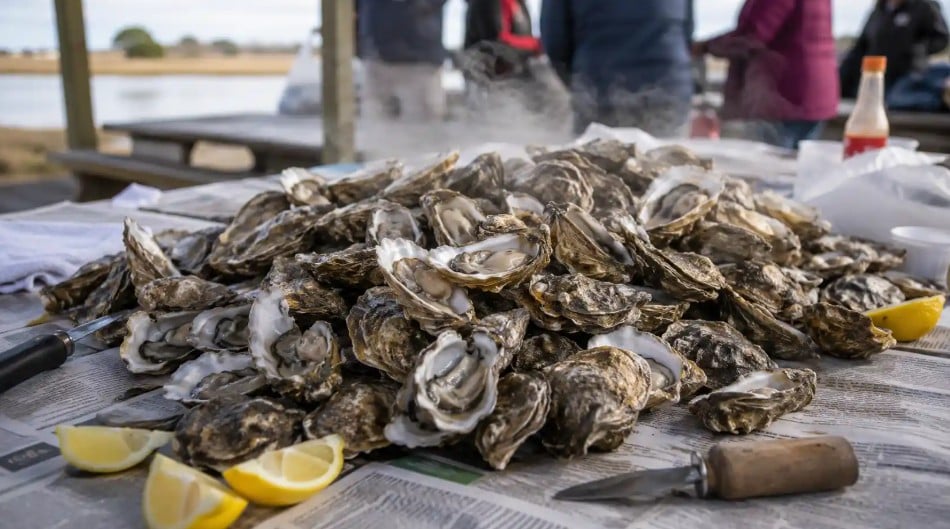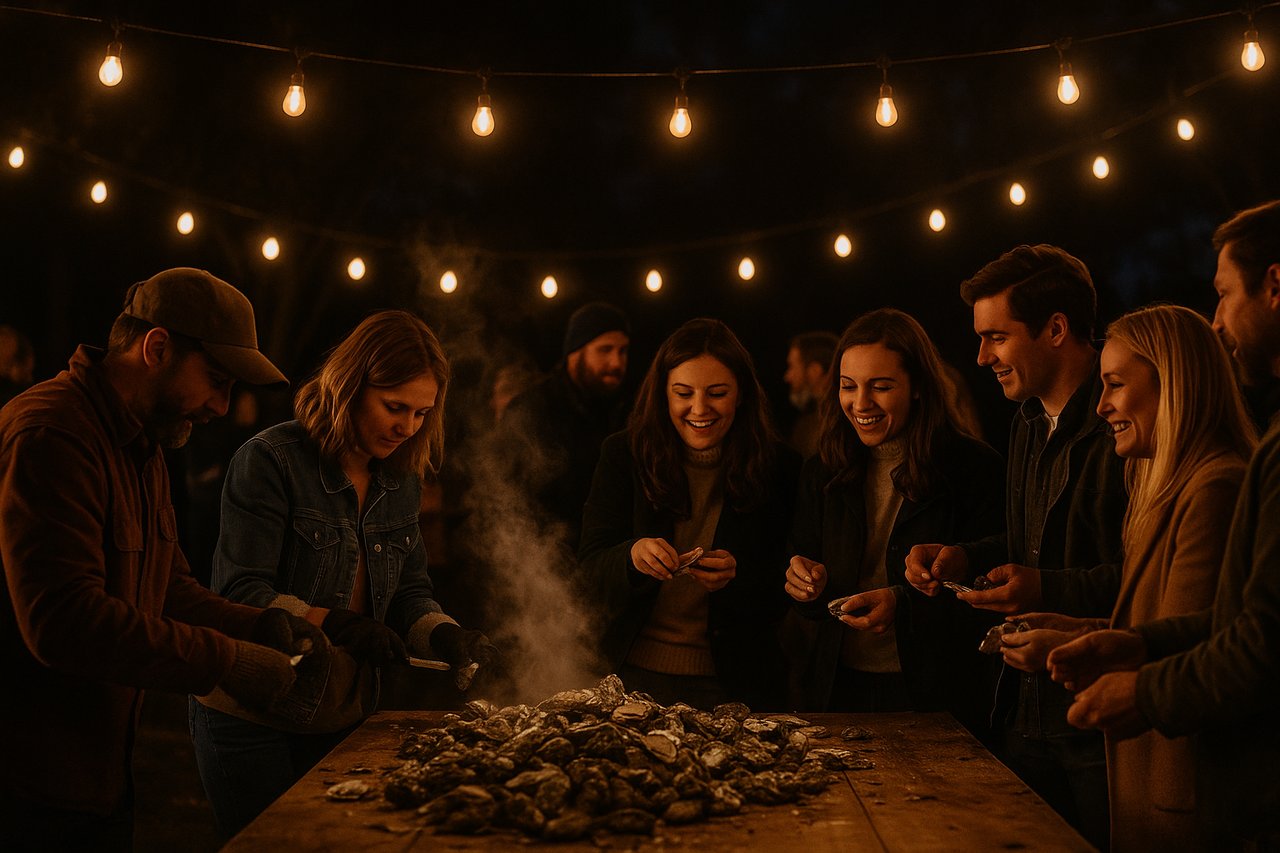
Autumn on the coast brings more than golden light and cooler breezes, it brings prime oyster season. As part of our Fall in Love with the Lowcountry series, let’s dive into why oysters are often best enjoyed in the “R-months,” what happens in summer water, and ways you can relish fresh Lowcountry oysters this fall.
The “R-Month Rule”: What It Means & Where It Comes From
You’ve likely heard it: only eat oysters during months with an “R” in their names (September, October, November, December, January, February, March, April). That rule of thumb has deep roots, though modern practices have softened its rigidity.
Origins of the Rule
Spawning & taste
In warmer months (typically May through August in the Southeast), wild oysters spawn. During spawning, oysters divert energy into reproduction. That means their meat can become watery or milky, with less of the firm, briny character we associate with a good oyster.Higher bacterial risk in warm water
As water warms, bacteria such as Vibrio species proliferate more rapidly. Oysters are filter feeders, so they concentrate microorganisms from their environment; warmer temperatures can mean higher bacterial counts in their tissues.Preservation challenges before refrigeration
Historically, without reliable refrigeration and fast transport, oysters harvested in the hot months risked spoilage during transit. The “R-rule” served both flavor and safety purposes in a time before modern cold chain systems.Exposure to air & heat stress
In intertidal zones (where oysters may be exposed at low tide), exposure to hot air can allow bacteria trapped inside closed shells to multiply.
Thus, in places like the Coastal Lowcountry, the logic holds especially well: during summer, warm water, spawning, and handling challenges elevate risk and degrade flavor.
That said, advances in oyster farming, monitoring, and cold chain logistics mean oysters can be safer year-round, but the fall through early spring still tends to produce the most premium Lowcountry oysters.
Why Autumn (and the R-Months) Are Prime for Lowcountry Oysters
Balanced flavor & texture: After summer spawning, oysters rebuild their meat in cooler months, offering fuller flavor and firmer texture.
Reduced bacterial pressure: Cooler water slows bacterial growth, lowering the risk of harmful levels of Vibrio or other pathogens.
Better handling margin: Cooler ambient temps help maintain oysters’ safety and freshness during harvest, storage, and transit.
Sustainable harvesting: Letting oyster beds recover during summer spawns supports long-term oyster populations and ecosystems.
Because of all that, fall becomes a celebratory season for oyster lovers in the Lowcountry and the perfect season for oyster roasts.
The Science Behind It: Water, Parasites & Stressors
Temperature-driven pathogens
Some oyster diseases and parasites (e.g. Dermo) are more active when water exceeds about 77 °F.Stress & shell closure
In hot weather or low tide exposure, oysters may close shells to avoid stress. But this can trap bacteria inside. When later reopened or consumed, risk rises.Farming advances
Many modern oyster farms operate with submerged cages or racks, harvesting before surface heat stress, and immediately chilling the catch. This reduces bacterial growth even outside traditional seasons.
These innovations push boundaries but local wisdom still values the traditional season, especially for wild or local oysters.
Oyster Hotspots & Events in the Lowcountry This Fall
If you’re exploring Bluffton real estate, Hilton Head real estate, or Beaufort real estate, consider these oyster-focused experiences:
Oyster roasts & tastings
Many Lowcountry restaurants and oyster farms host fall roasts (often October–March). Watch local event calendars in Bluffton, Hilton Head, and Beaufort for announcements.Farm tours & shucking demos
Some oyster farms allow tours where you can learn about oyster cultivation, water quality, and shucking techniques.Seafood festivals
Keep an eye on regional festivals that spotlight oysters, shellfish, and coastal cuisine.Premium restaurant raw bars
Lowcountry restaurants often feature oysters caught that very week, especially during the fall and winter. Ask about source and freshness.
Tips for Enjoying Oysters Safely & Deliciously
Buy from trusted sources
Look for tags with harvest date and location. Ask your fishmonger or restaurant where they sourced the oysters.Check live condition
Live oysters should have tightly closed shells (or close when tapped) and smell clean, briny, like sea air.Chill quickly
After harvest, oysters should be brought under 50 °F as soon as possible to limit bacterial growth.When in doubt, cook them
For health-sensitive individuals (liver disease, immune-compromised), cooking oysters is safer than raw consumption.Peak is fall through early spring
While oysters may be available year-round, the best balance of flavor and safety in the Lowcountry tends to be from September through April (months with “R”).
Why Oyster Season Is Another Reason to Fall in Love with the Lowcountry
Oysters are part of the coastline’s rhythm, tied to tides, seasons, and water. They connect you to place, environment, and heritage. For prospective buyers looking at Bluffton homes for sale, Hilton Head real estate, or Beaufort real estate, the ability to enjoy oysters fresh from local waters is a memorable aspect of Lowcountry living.
This fall, plan an oyster outing, roast, restaurant, or farm tour, and taste the coast in its moment of greatest bounty.